

- Years in the Field
- 25+
- Airport Projects
- 50+
- Max Depot Storage
- 25,000 m³
- Countries
- 6
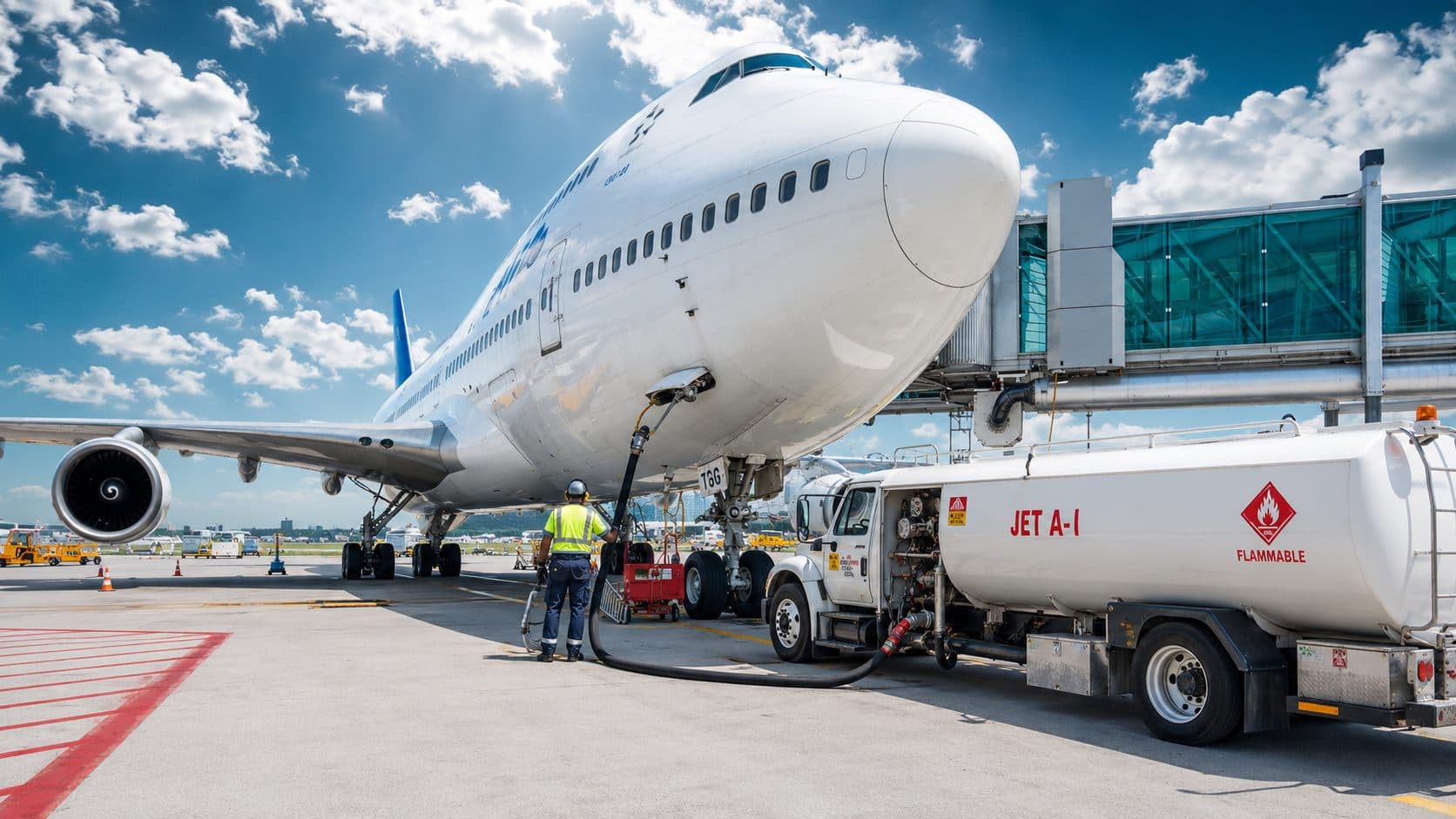
The Fuel Infrastructure that Keeps an Airport Alive.
Hydrant Systems
The buried artery of an airport: Jet A1 pipelines, pumping, valve chambers and pit valves feeding aircraft on stand.
Fuel Farms & Depots
Bulk Jet A1 storage up to 20 million litres with receipt, settling, transfer and dispatch, clear, bright and dry.
SCADA & Filtration
Central monitoring, micro filters, coalescer / water-separation filtration and metering, every stage contained and protected.

Why it matters
The Artery Lifeline of the Airport.
An airport can ride out a power cut on generators and a water cut on tanks — but without jet fuel, it stops completely. Those who build airport infrastructure treat the hydrant system accordingly: every other network must respect it.
First to arrive, last to leave — first on site to set up the network, and last off it after proving the fuel's quality and its readiness for the airport's first flight.
“The jet fuel hydrant system is still the artery lifeline of the airport.”
Eng. Abdrabo S. Hassan — Chairman
Service
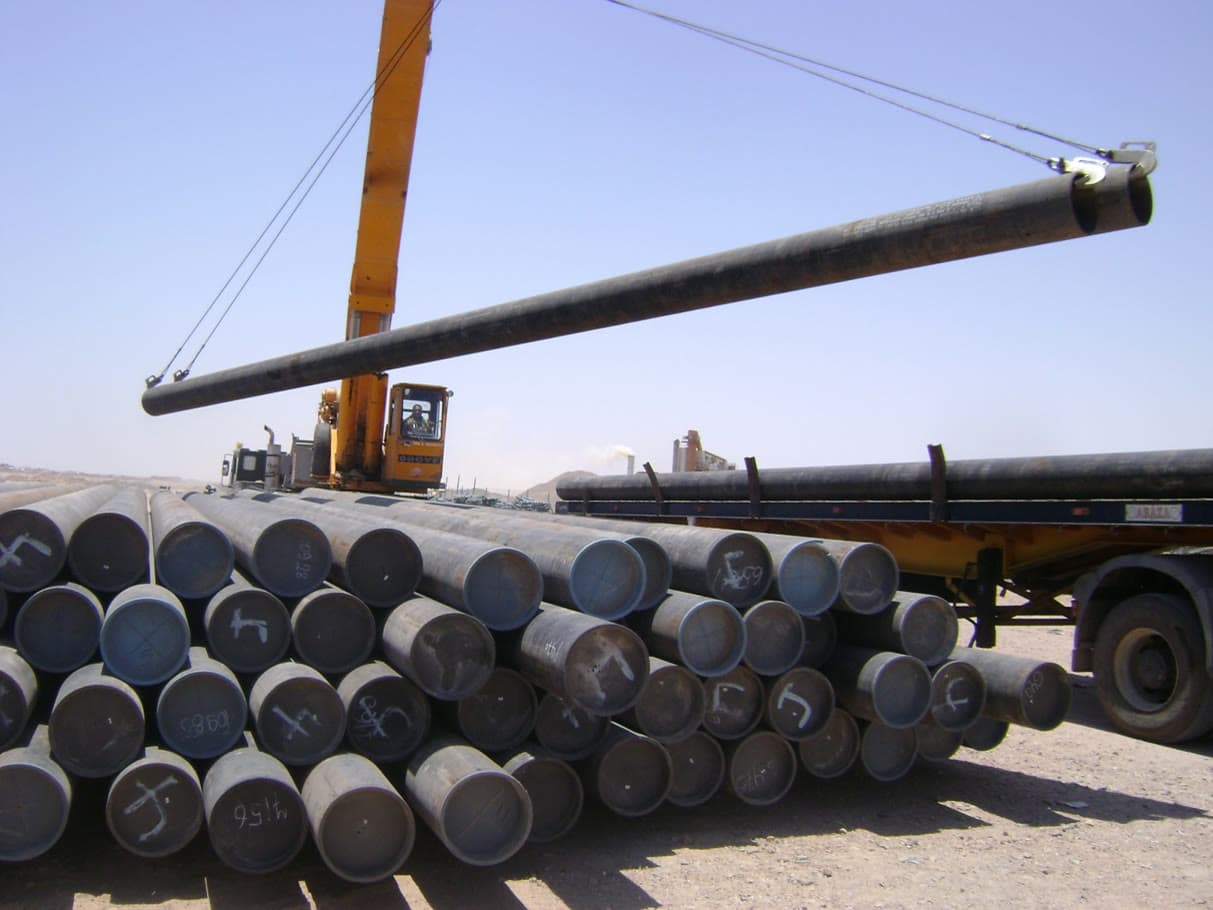
Hydrant Systems
Receipt to wing through a buried loop: hydrant pumps, valve chambers, pit valves and the pantograph to the aircraft. Engineered, installed and commissioned to JIG and EI standards.
- JIG / EI compliant
- Pumping & metering
- Valve chambers & pits
Service
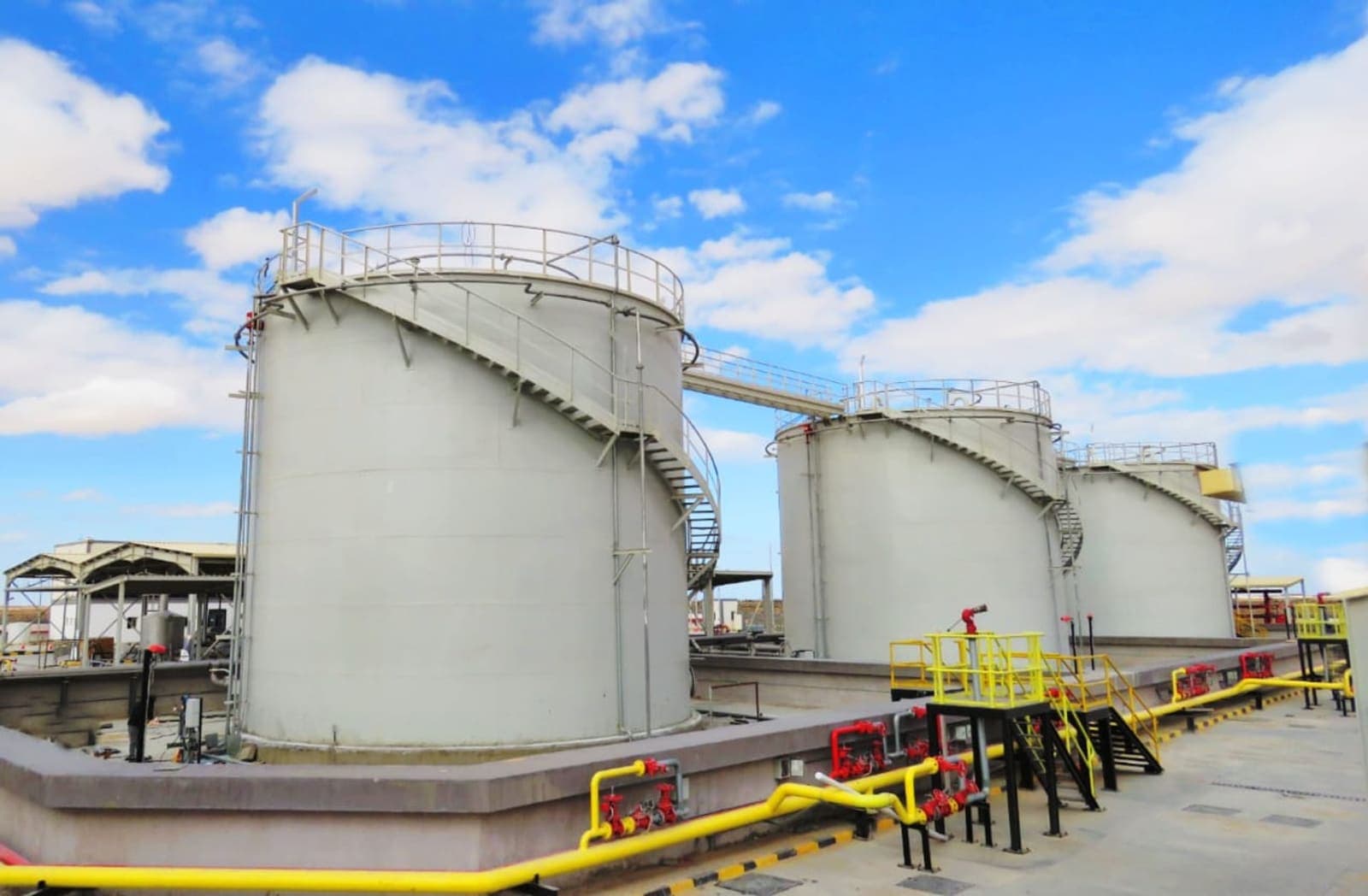
Fuel Farm & Depots
Bulk Jet A1 storage and dispatch up to 20 million litres: receipt micro filtration, settling, floating-suction transfer, coalescer / water separation and loading bays, kept clear, bright and dry.
- Up to 20 million litres
- Micro filters & water separation
- Firefighting & containment
EPC Contract
Airport Projects — Egypt
EPC Contract
Airport Projects — Worldwide
Accredited & trusted by